



ABOUT
My goal is straightforward – to help serious business owners generate more clients!
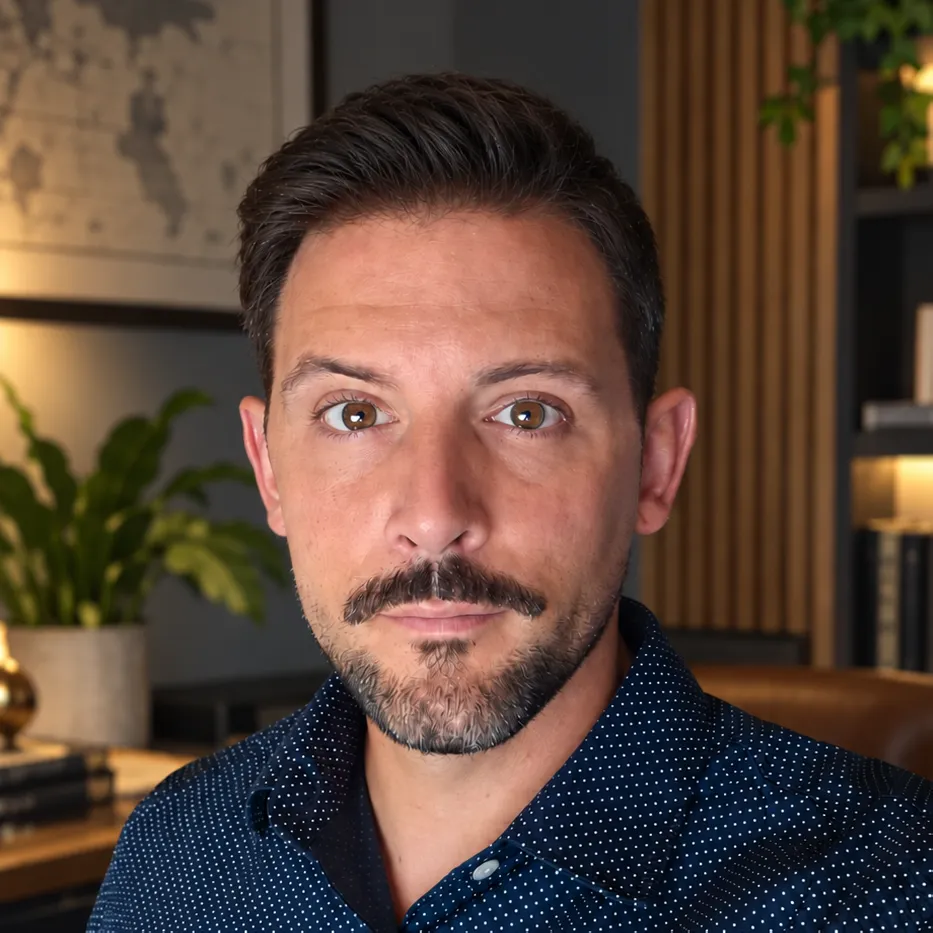
Hi, I’m Jackop Lehtonen, founder of The Practice and creator of the Doc Profit approach.
I built The Practice because I kept seeing the same thing happen in businesses of every size. Owners know something is wrong. They are working harder, spending more time inside the business, and sometimes making more revenue, but they still feel like they are losing profit, control, or both. The problem is that the numbers usually show you what happened. They do not always tell you why it happened.
That is what I help uncover. I look at the whole business, including the numbers, operations, people, systems, logistics, processes, accountability, and the way information moves from one part of the company to another. I find where the problems are actually coming from, not just where the symptoms are showing up, and then we build a practical treatment plan around what needs to change.
The goal is bigger than making a business more profitable. I want to help you build a business that gives you your time and control back. You should be the owner of your business, not its hardest-working employee.
I did not come into this from one narrow lane.
My background has taken me through business operations, sales, construction, logistics, accounting, entrepreneurship, and large-scale government operations. I have worked inside systems where people, resources, money, accountability, and execution all had to work together, sometimes on a very large scale.
I have also worked on both sides of the operation: in the field where the work actually gets done, and in the office where the planning, estimating, scheduling, sales, accounting, and management decisions are made. That gives me a perspective a lot of people never get. I understand what leadership thinks is happening, and I also understand what the people doing the work are actually dealing with. When those two realities stop matching, profit, communication, efficiency, and accountability usually start slipping with them.
That disconnect is something I have seen over and over again.
The office may believe one thing is happening while the people doing the work are dealing with something completely different. A financial report may show an expense getting worse without explaining the broken process creating it. Revenue can grow while profit gets weaker. Employees can be busy without being productive. Owners can hire more people and somehow end up with even more work on their own plate.
Those are the gaps I look for.
My experience in construction gave me a particularly clear view of this. I have worked through the actual building process from the ground up while also seeing the estimating, sales, management, customer, scheduling, and business side of the work. When you have lived on both sides of that line, you start seeing very quickly where communication, process, expectations, and reality stop matching.
I have seen the same kinds of problems inside much larger organizations as well. The scale changes, but the underlying issues often do not. Poor communication, unclear responsibility, inefficient systems, weak visibility, unnecessary steps, bottlenecks, and decisions made without the right information can hurt a small company just as easily as they can hurt a massive organization.
That is why I do not walk into a business assuming I already know what the answer is.
I start with the symptoms.
Then I look for the condition underneath them.
That may mean digging into profitability, pricing, expenses, workflow, staffing, sales, logistics, accounting, customer experience, communication, leadership, or the systems holding all of it together. Sometimes what looks like a sales problem is actually an operations problem. What looks like a labor problem can be a process problem. What looks like an accounting problem may have started somewhere else entirely.
Once we understand what is really happening, we can stop treating symptoms and build the right treatment plan.
That is the idea behind The Practice and Doc Profit.
I want to help business owners see their companies clearly, fix what is actually holding them back, improve profitability, build systems that work, and create a business that does not require them to personally carry everything.
Because at the end of the day, success should not mean owning a business that owns all of your time.
The numbers are symptoms. The real work is diagnosing what is creating them.